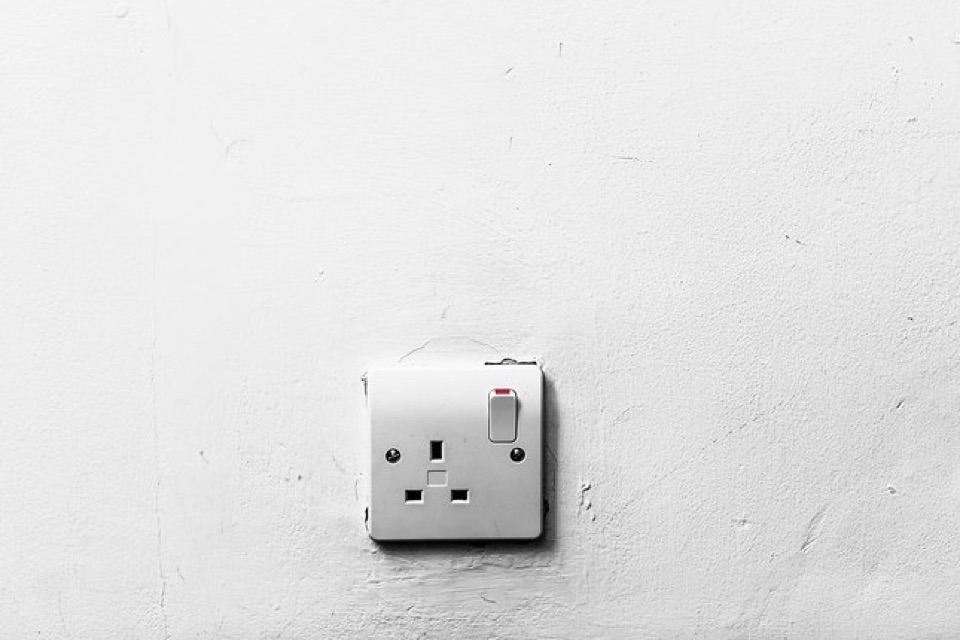
Fitting, and an outdoor socket
We arrange an electrician if you need one.
Read moreWe reply to every enquiry by email. Send us your postcode and we will take it from there.
Plug-in Solar South West / Checking your roof, wall or garden
Before anyone quotes, we look at where the panel would go and tell you whether the rules cover it. Some surfaces are fine. Timber balconies and cladding are not.
These devices could not be sold or used here until 27 August 2026, when the amending regulations made in July took effect. On the same day the permitted development right for solar equipment on a house or a block of flats was rewritten, and the new version names plug-in solar directly. So the answer for your house may not be the one a rooftop installer would have given you last year.
A twelve month transitional period runs to 27 August 2027. Until then you can follow the rules as they stood immediately before 27 August, or the new ones.
The rewritten right rules out a plug-in solar installation on a wooden wall, on a balcony, or on timber cladding. That applies to houses and to blocks of flats alike.
If yours is a timber balcony or a timber clad wall, the permitted development right is not what you are relying on. What you then have to weigh up is whether a planning application is worth the trouble, and often it is not. The government's own assessment warns that the fees and the paperwork can outweigh what the kit costs and what it saves.
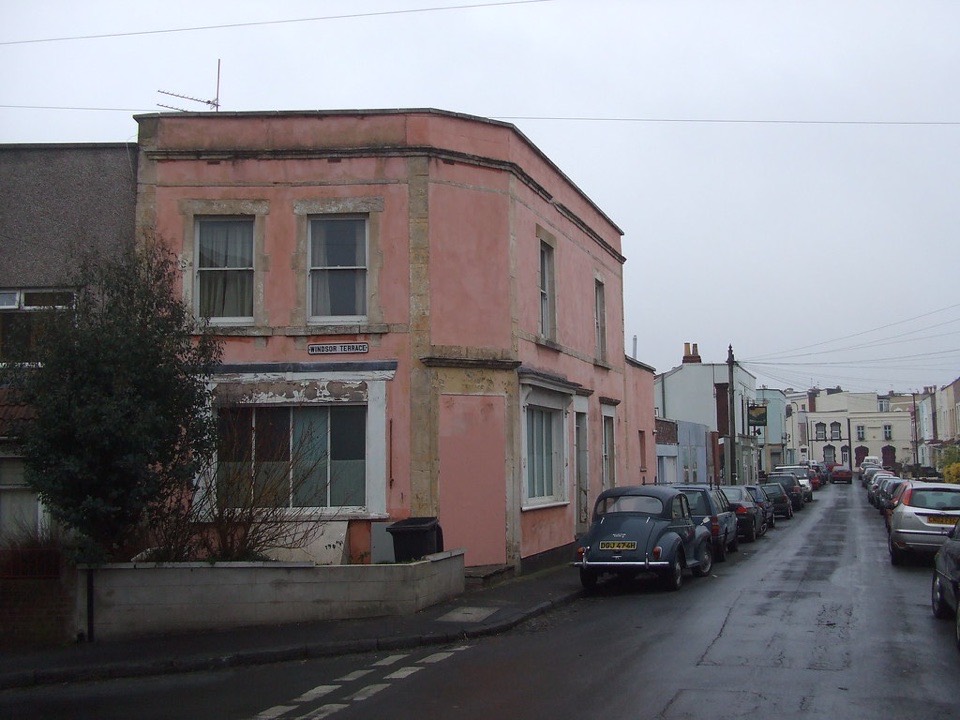
There are three separate situations here, and the South West has plenty of all of them.
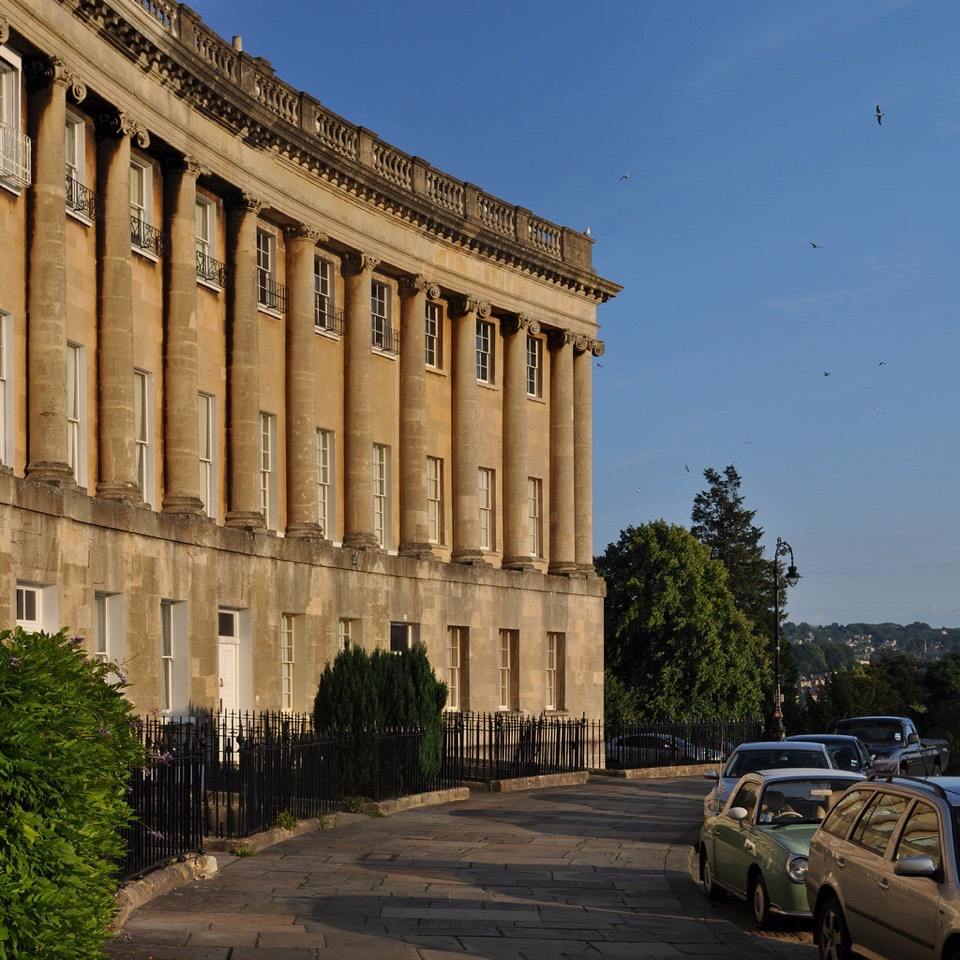
You can check most of these with a tape measure before you talk to anyone.
We cannot write "no planning permission needed" and mean it, because the right is conditional. Where a house meets the conditions there is no application. Where it does not, there is one. Our job is to tell you which of those two applies to you.
You get a written answer by email. It names the rule that applies to your surface, tells you what the projection limits allow at your house, and gives the figure your mounting would realistically make in a year. If the right does not cover you, we put that at the top of the email.
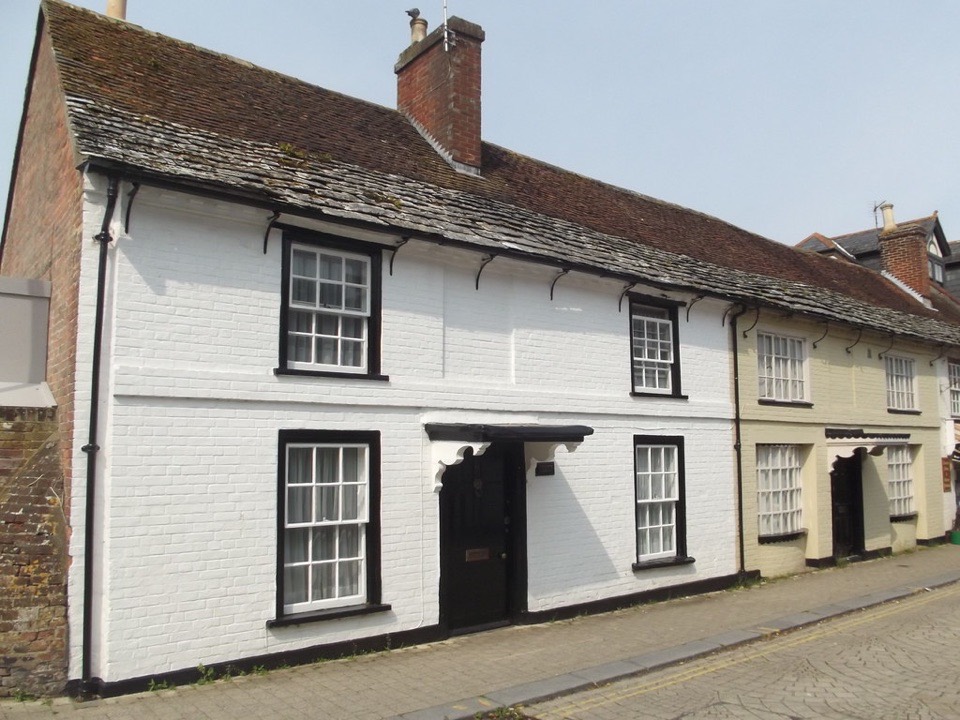
For the wooden surfaces rule, what matters is what is underneath. If there is masonry behind the pebbledash or the render, you are on masonry. Render on a timber frame outer leaf gives a different answer, and that is one of the things we check rather than assume.
The right covers solar equipment on a building within the curtilage of a house as well as on the house itself, with its own limits. Tell us what the outbuilding is and we will tell you where it lands.
You would need your landlord's agreement, and a leaseholder may need the freeholder's. People who responded to the government consultation raised this as a limit on take up, and the regulations have not resolved it for you. Ask before you buy.
Send us your postcode and tell us what the surface is made of. We will reply by email.
Send us your postcodeSend us the postcode and the spot, and we will tell you where it stands.
Your name, postcode and email, plus the roof, wall or garden you have in mind. We reply by email with what the rules allow there and what it would make in a year.
We reply by email. We don't pass your details to anyone and we don't take commission.